
Fatal Claw Characters — Kisha, Survivors & Factions
Fatal Claw characters explained: Kisha the resurrected cat, the rival Cain, named bosses like Enma, survivor rescues, and the underworld factions.
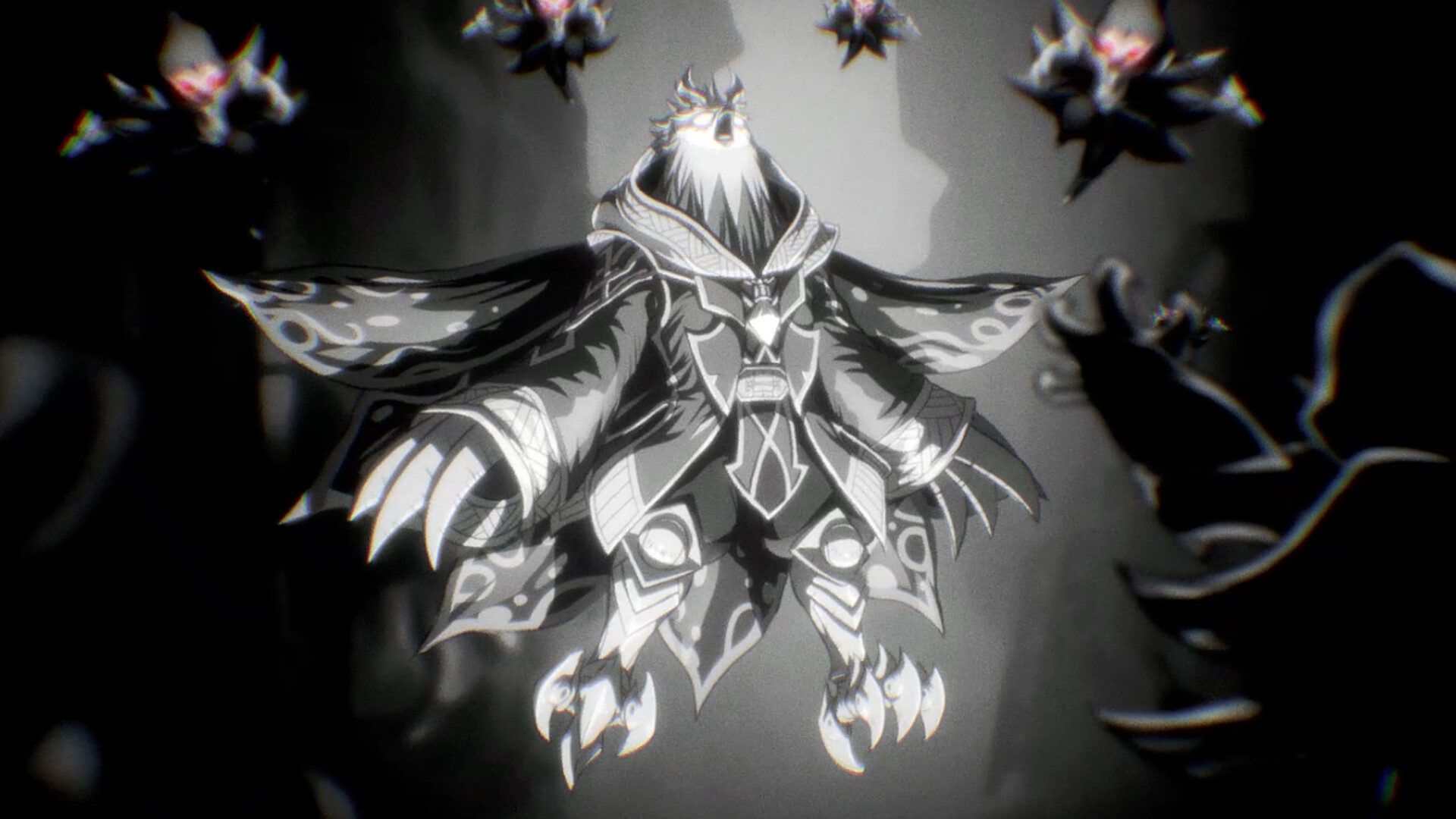
The Fatal Claw characters form a round, storybook-flavored cast inside a dark premise: an ancient kingdom revived by modern technology, infected creatures everywhere, and a cat at the center of it who should not be alive. The game's own store description frames the roster — Kisha the resurrected protagonist, the survivors worth rescuing, and a mastermind behind the chaos — and developer commentary plus community play add the named faces around that frame. This page collects who is who, who matters for the endings, and which names to trust.
Quick answer
The cast splits into four groups. Kisha is the playable cat, resurrected by the ancestors to inherit their power and complete the ultimate claw. The rival — a figure the community writes as Cain — shadows the journey and anchors the questline players summarize as "saving Cain." The named bosses — Enma, Ortrinde, Irbes, Mirkam, Sorron, Kurtz and others — double as characters with motives, not just health bars. And the survivors and villagers — drink vendors, shopkeepers, elders, brothers running a shop — turn rescued beacons into services, shops, and costume crafting.
Kisha: the cat the ancestors brought back
Kisha is described by the game as a mysterious cat resurrected by the ancestors, awakening in the Origin Laboratory with a mission: find the key back to the surface world alongside other survivors, absorb power from the infected, and uncover the mastermind behind it all. Developer commentary adds the texture — Kisha starts weak and stealth-leaning, curls up to sleep, hisses before danger, and hates water, losing health to it until a later power removes the penalty. The stained-glass intro hides the protagonist's own secret, and community deep-dives claim the story pays that off with time-rewind revelations; treat those as spoiler territory rather than setup.
Kisha's growth is the player's growth. Claw strikes charge the magic that Engraved Skills spend, Mutated Abilities absorbed from bosses rebuild the moveset, Cabitz stones customize the build, and the journey gradually repairs the ancestors' damaged claw toward the ultimate weapon the game is named after. By the credits the weak little cat of the opening is the reason the underworld has an ending worth arguing about — and the game's multiple endings read Kisha's choices accordingly.
The rival: Cain, the rescue, and the remedies
The journey's human(ish) counterweight is a nemesis-like figure first met in the mining region, visually contrasted against Kisha and seemingly searching for someone or something. Community play summarizes the arc that follows as "saving Cain" — a questline that involves time-rewind cycles, gathering remedies, purifying corrupted bosses, and finally confronting Sorron. The spelling wobbles between Cain and Kane across community sources, and the details come from player reports rather than official text, so hold the specifics loosely; the anchor facts are the rivalry, the rescue goal, and the remedies.
What makes the rival work as a character is that the questline treats purification, not just defeat, as the win condition. Bosses can be fought twice — once to kill, once to cure — and the difference lands in the endings. That is the quiet genius of Fatal Claw's cast: the game keeps asking whether "beating" someone was actually the goal.
Named bosses who are also characters
Several named fights carry story weight beyond their arenas. Enma, the Golden Spirit Wolf rules the tundra's castle-in-the-cold neighborhood, with a labyrinth bearing that name in official patch notes. Sorron leads the faction whose traces run through the 1.0 Aphotic Marsh, and the Sorron's Archive location patch notes name is a story space rather than a simple arena. Kurtz anchors one of the late game's hardest fights — though the best-known mechanics breakdown comes from a single community thread, so hold its details as a strong player report.
Earlier fights double as introductions: Mirkam and Irbes are bosses whose names live on in the abilities they grant, and the corrupted early opponents establish the infection theme that the later cast complicates. The pattern to internalize: in Fatal Claw, a boss's second phase is often narrative — who they were, who infected them, and whether Kisha can save what is left.
Survivors, villagers, and the people worth saving
The store description promises a league of distinctive, round characters, and the rescue loop delivers it: survivor beacons scattered across the underworld mark people to free, and freed survivors open shops, share advice, and reshape the hub. Developer commentary spotlights the vendors and shopkeepers by name — Lara, the drink vendor whose tea powers one of the game's famous secrets; Albus, the scaredy-cat lion with a key story role later; Max and Mark, the brothers running the shop floor by floor; Ain, the elder whose first-encounter scene the 1.0.8 patch improved; plus Iedart and Masa, whose dialogue quietly became a navigation aid in a patch.
The villager layer is also the economy: restoring power to the village lights it up, rescuing the shop owner unlocks costume crafting for Kisha, and NPC requests feed the Stone of Narrative that the endings read. The developer's own framing — survivors as resourceful assistants with unique stories and goals — is accurate; several side quests are critical rather than cosmetic.
Factions and peoples of the underworld
The kingdom's backstory sorts into peoples, and the region design maps onto them. The Commoners built the laboratories where Kisha awakens; the Ancients left the sealed royalty and the stained-glass history; the Kannir drive the industrial belt — with the toxic-liquid-versus-currency distinction that makes the region's economy a hazard; the Sorr traces run through the ice and the marsh; and the Jibanam trees and their tribe tend the Moss Cave, where the sap matters for cures. Over all of it looms the sealed surface and the ancient king whose authority key keeps castle doors shut.
Community guides add a longer lore shadow — kings, seals, and archive names — much of it single-sourced; this page sticks to the names official text or broad community agreement supports. If a name you met elsewhere is missing here, that is why.
Names and spellings you will see elsewhere
A note on names, because community sources spell several of them differently. The rival appears as both Cain and Kane across guides and threads; the drink vendor Lara's village is called different things in different sources; and some names circulating in fan spaces come from translated developer commentary, where romanizations drift. This page uses the names with the strongest official or cross-source support and leaves out single-mention lore names you cannot verify in game text — when an official patch note or the store page names a character, it gets added here.
Kisha's own kit is worth restating in character terms, because the systems are the characterization. The claw that repairs over the journey is the ultimate weapon the title names; Mutated Abilities are the powers of the infected, absorbed; Engraved Skills are the ancestors' magic, charged by attacking; and Cabitz stones are the customization layer that lets two players build the same cat differently. The guide hub covers each system in depth.
The fuller name list, with receipts
Several more names come up constantly in community play, and most now have official-paper trails. Max and Mark, the brothers running the two-floor shop, contact Kisha as the archive fills and reward exploration. Albus, the scaredy-cat lion, starts as comic relief and — per developer commentary — carries a key role later in the story. Ain, the elder-style NPC, had a first-encounter scene reworked by the 1.0.8 hotfix; Iedart and Masa were woven into the same patch, with Masa's location added to Iedart's dialogue. Skyle, the pale cat figure in the village, is the hint economy: player guides describe paying memory fragments for navigation hints at that character.
Two big lore names frame the world itself. Enma, the Golden Spirit Wolf, is the named character-boss of the tundra's castle neighborhood, with a labyrinth bearing that name in official patch notes. And the stained-glass intro names a king who sealed the surface — the figure community guides write as King Odz — whose authority key still holds castle doors shut. The bosses hub tracks the fights, this page tracks the faces, and the line between them is thinner than it looks.
Where the cast meets the systems
Every character group plugs into a mechanic this wiki documents elsewhere. Bosses and their rewards live in the bosses hub; the rescue-and-choices layer is sequenced in the walkthrough hub; and Kisha's own toolkit — claws, Engraved Skills, Cabitz — is the subject of the guide hub. The map hub explains how survivor beacons and shops appear on the Carox, and if you are deciding whether this cast is worth your weekend, how long Fatal Claw takes to beat and the 1.0 review roundup answer the practical version of that question.